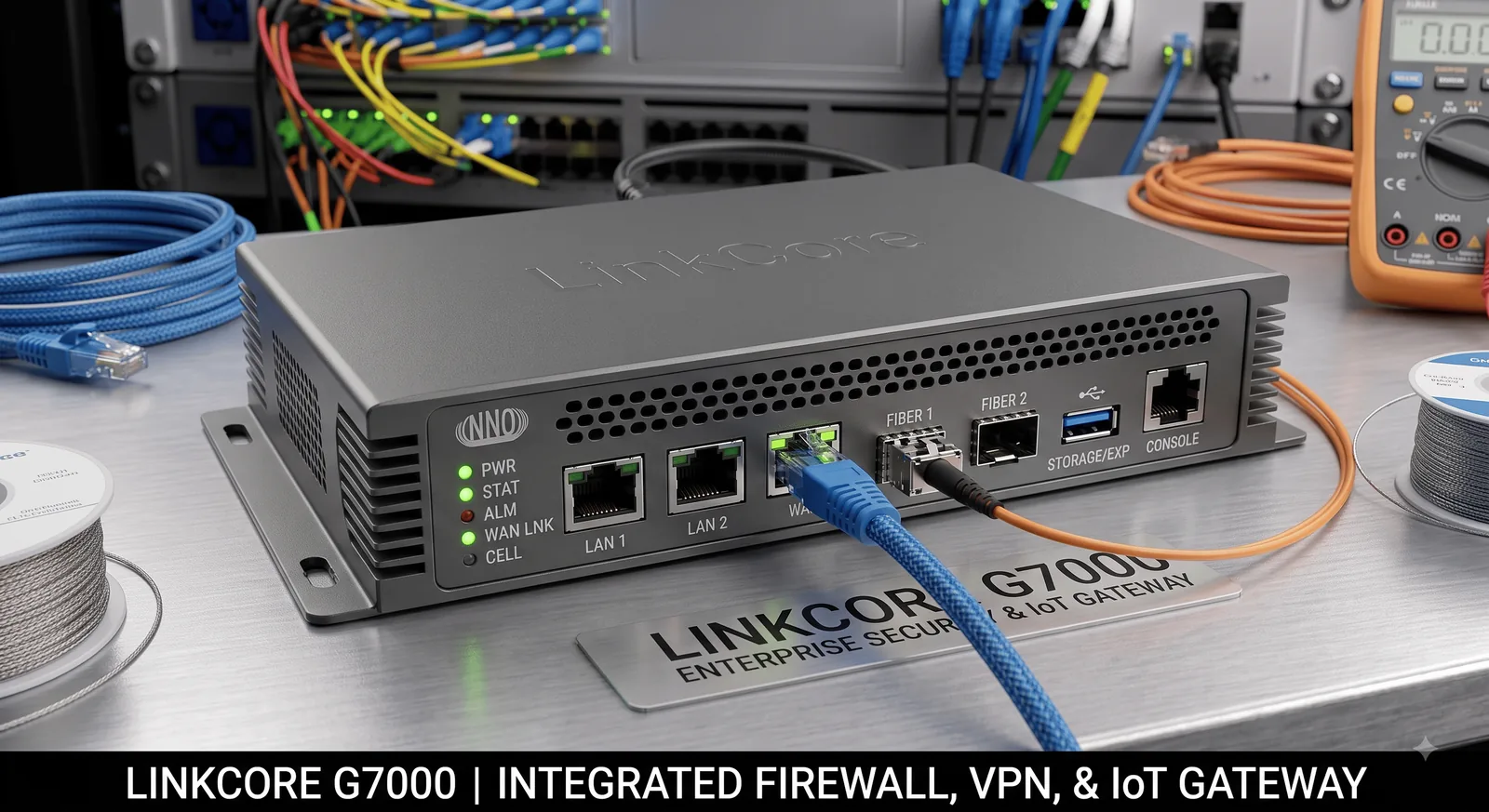
Gateway
the protocol gatewayA gateway joins two networks that don’t speak the same language. It receives traffic in one protocol, translates it end to end, and re-emits it in the other — the interpreter between dissimilar systems.
A gateway connects two different kinds of network and translates fully between their protocols.
How it works
X ⇄ Y
A router forwards; a gateway translates. It fully decodes traffic in one protocol and re-encodes it in another, letting systems that share no common language interoperate.
What a gateway does, step by step
Traffic arrives from the first network.
It parses the data all the way up the stack.
It rebuilds the message in the second network’s language.
The translated message is sent on.
In cybersecurity
A gateway reads everything it translates, so it’s a natural inspection point — and a bridge that could join zones that shouldn’t meet.
It already parses the entire payload.
Mismatches can leak or corrupt data.
It can wrongly connect different trust levels.
It often fronts old, unpatched systems.
A bug here affects both sides at once.
Sanitise input on both protocols.